Robert Redford Dies at 89 | Celebrating a Film Icon’s Legacy
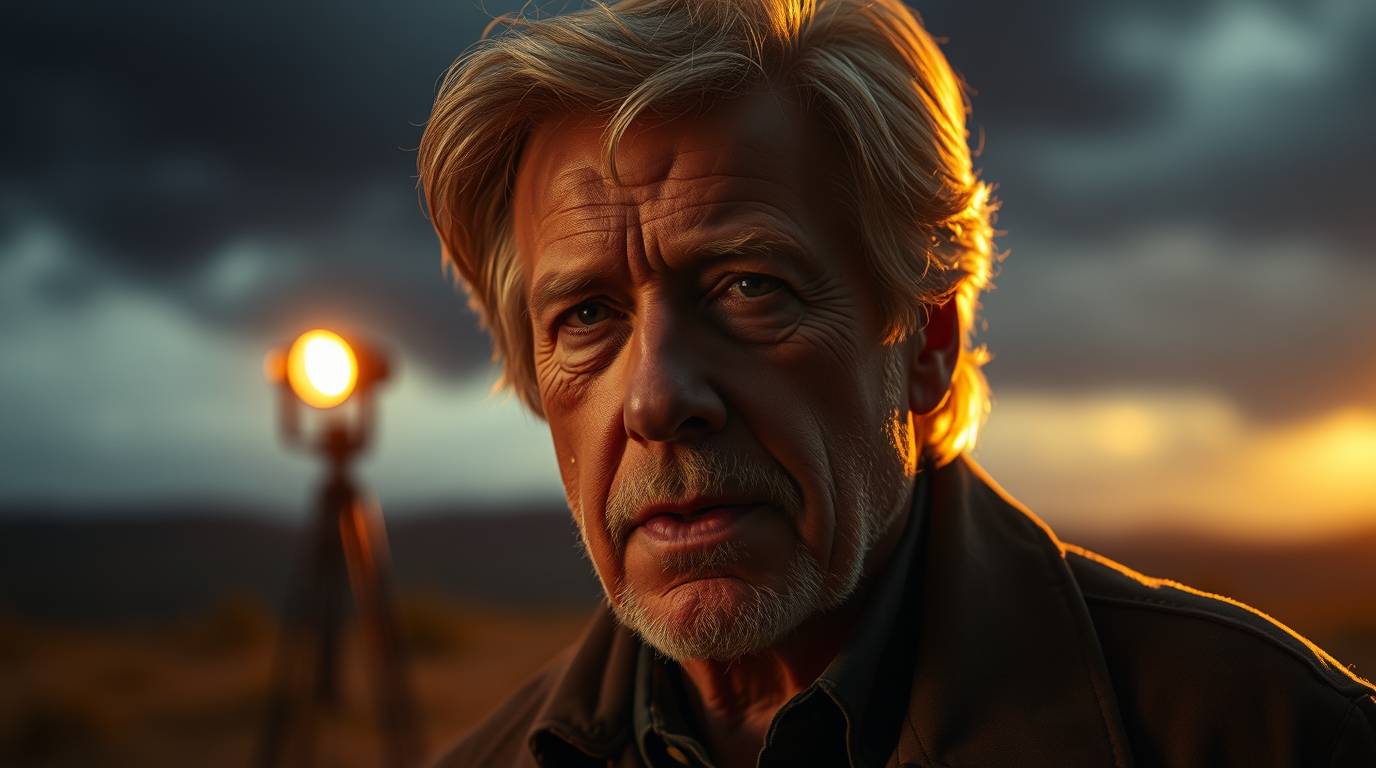
The world has lost a true cinematic icon. Robert Redford, the legendary actor, director, and environmentalist, passed away on September 16, 2025, at his home in the mountains of Utah. He was 89 years old. Surrounded by loved ones at his beloved Sundance property, his departure marks the end of an era in Hollywood and independent filmmaking. Redford’s career spanned over six decades, during which he evolved from a charismatic leading man into an Oscar-winning director and a passionate champion for independent voices. His legacy, however, extends far beyond the silver screen. This article delves into the remarkable life of Robert Redford, celebrating his achievements and enduring influence.
A Life in Pictures: Remembering Robert Redford
Early Life and Career Beginnings
Charles Robert Redford Jr. was born on August 18, 1936, in Santa Monica, California. His working-class family later moved to Van Nuys, where a young Redford grew restless. He initially attended the University of Colorado on a baseball scholarship but lost it due to his rebellious spirit and fondness for partying. This setback, compounded by the profound loss of his mother when he was 18, led him to Europe. There, he studied art and nurtured a passion for painting—a creative outlet that would later influence his visual storytelling in film.
Upon returning to the United States, he enrolled at the American Academy of Dramatic Arts in New York City. Despite initial shyness, he graduated in 1959 and quickly found work on television shows like Perry Mason and The Twilight Zone. His big break came on Broadway in 1963, originating the role of Paul Bratter in Neil Simon’s Barefoot in the Park. He later reprised this role alongside Jane Fonda in the 1967 film adaptation, cementing his status as a rising leading man.
Rise to Superstardom: The Leading Man
Redford’s ascent to Hollywood royalty was swift. His pairing with Paul Newman in Butch Cassidy and the Sundance Kid (1969) created cinematic magic and undeniable box-office gold. The film’s success established Redford as a bankable star and forged a lifelong friendship with Newman. They reunited four years later for The Sting (1973), a clever Depression-era caper that earned Redford his first and only Academy Award nomination for Best Actor.
Throughout the 1970s, Redford dominated the box office by choosing roles that resonated with American audiences. He starred in a string of iconic films, including:
- The Way We Were (1973): A sweeping romance with Barbra Streisand that showcased his depth as a dramatic actor.
- The Great Gatsby (1974): His portrayal of F. Scott Fitzgerald’s enigmatic millionaire, though initially met with mixed reviews, became a defining role.
- Three Days of the Condor (1975): A paranoia-soaked political thriller that tapped into the post-Watergate zeitgeist.
- All the President’s Men (1976): A gripping journalistic procedural where he played Bob Woodward. Redford was instrumental in bringing Woodward and Carl Bernstein’s Watergate story to the screen.
Evolution Behind the Camera: The Acclaimed Director
Never content to be just a movie star, Redford moved behind the camera with astonishing success. His directorial debut, Ordinary People (1980), was a critically acclaimed masterpiece. It won four Academy Awards, including Best Picture and Best Director for Redford, triumphing over Martin Scorsese’s Raging Bull.
He continued to direct films that often explored themes of honesty, identity, and the American experience. Notable works include:
- A River Runs Through It (1992): A lyrical period drama that beautifully captured the Montana wilderness.
- Quiz Show (1994): A sharp examination of ethics and corruption in 1950s television, which earned him another Best Director nomination.
- The Horse Whisperer (1998): A pastoral drama which he also starred in, alongside a young Scarlett Johansson.
The Sundance Legacy: Championing Independent Film
Perhaps Robert Redford’s most profound impact on the film industry was his founding of the Sundance Institute in 1981 and his takeover of the struggling Sundance Film Festival in Utah a few years later. What began as a small workshop for aspiring filmmakers has grown into the world’s most prestigious showcase for independent cinema.
Sundance became a launchpad for visionary directors like Quentin Tarantino, Steven Soderbergh, Ava DuVernay, and the Coen brothers. Despite his frustration with the festival’s later commercialization, Redford never wavered in his commitment to nurturing “fresh cinematic voices” and providing a platform for stories outside the Hollywood system.
Beyond the Screen: The Environmentalist and Activist
Redford was a pioneering environmental activist long before it was common for Hollywood stars. He successfully campaigned against a proposed highway in a Utah canyon in 1970 and helped block a coal-fired power plant in 1975. For three decades, he served as a trustee of the Natural Resources Defense Council, using his platform to advocate for conservation and climate action. Although he disliked the term “activist,” finding it too severe, his actions defined him as one. He notably created the “actor-as-environmentalist” archetype that later stars like Leonardo DiCaprio would follow.
Personal Life and Final Years
Redford married Lola Van Wagenen in 1958, and they had four children together. Their eldest son, Scott, died of sudden infant death syndrome (SIDS) in 1959. Another son, James, a filmmaker and activist, died of cancer in 2020 at the age of 58. The couple divorced in 1985, and Redford later married German artist Sibylle Szaggars in 2009.
He claimed he would retire from acting with the 2018 film The Old Man & the Gun but later expressed regret about announcing his retirement. In a poignant return, he made a cameo in the 2025 season of the AMC series Dark Winds, which he also executive produced.
Robert Redford died peacefully in his sleep at his home in Utah. His family has requested privacy during this time.
Iconic Films and Awards
Here is a summary of some of Robert Redford’s most notable works and recognitions:
| Category | Details |
| Key Films | Butch Cassidy and the Sundance Kid (1969), The Sting (1973), All the President’s Men (1976), Out of Africa (1985) |
| Directorial Works | Ordinary People (1980), A River Runs Through It (1992), Quiz Show (1994) |
| Major Awards | Academy Award for Best Director (1981), Honorary Academy Award (2002), Presidential Medal of Freedom (2016) |
Conclusion: A Lasting Legacy
Robert Redford was more than a movie star; he was a cultural force. He used his immense fame and talent to challenge audiences, champion underrepresented voices, and protect the natural world he loved. From the charming outlaw Sundance to the diligent journalist Woodward, and from the director of intimate family dramas to the founder of a global independent film movement, his contributions are indelible. While he may have left us, his work—and the countless artists he inspired—ensure that the legacy of Robert Redford will continue to illuminate screens and consciences for generations to come. Share your favorite Robert Redford memory in the comments below.
Frequently Asked Questions (FAQs)
1. How did Robert Redford die?
Robert Redford died peacefully in his sleep on September 16, 2025, at his home in Utah. His publicist did not provide a specific cause of death.
2. What was Robert Redford’s last movie?
His last on-screen acting role was a cameo in the 2025 season of the AMC series Dark Winds, which he also executive produced. His final feature film role was in The Old Man & the Gun (2018).
3. How many Oscars did Robert Redford win?
Robert Redford won two Academy Awards. He won Best Director for his debut film, Ordinary People (1980), which also won Best Picture. He received an honorary Oscar in 2002 for his lifetime achievements.
4. Why is the film festival called Sundance?
Robert Redford named the Sundance Institute and Film Festival after his iconic character, the Sundance Kid, from the 1969 film Butch Cassidy and the Sundance Kid.
5. Was Robert Redford ever married?
Yes, he was married twice. He was married to Lola Van Wagenen from 1958 until their divorce in 1985. He married German artist Sibylle Szaggars, his longtime partner, in 2009.
👉For more Entertainment News → Click here!