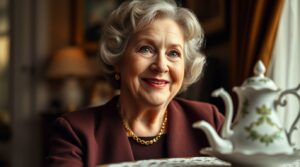
Julie Andrews: More Than a Magical Nanny
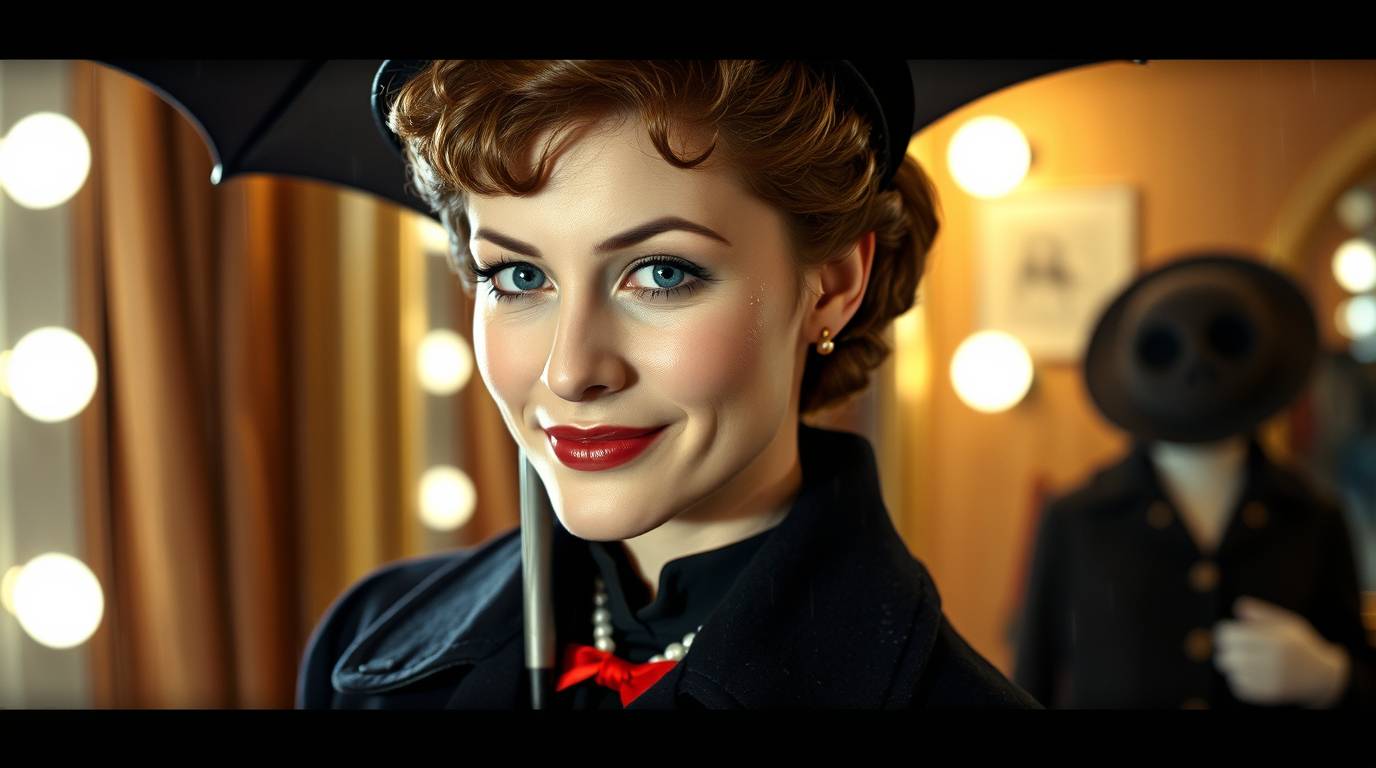
Think of Julie Andrews, and what comes to mind? For many, it’s the wholesome, practically perfect nanny floating down with her parrot-headed umbrella. Alternatively, perhaps it’s the spirited novice nun singing on a mountaintop. These iconic roles cemented her status as a family entertainment legend. However, to see only this side of Julie Andrews is to miss a far more fascinating and layered artist. Behind that crystalline voice and poised demeanor lies a career punctuated by sly wit, surprising sexuality, and a subversive streak that redefined her legacy.
Indeed, her image as a beacon of purity was both a blessing and a creative cage. Consequently, her most compelling work often involved cleverly playing with, and sometimes dismantling, that very persona.
The Foundation of a Star: Wholesome Beginnings
Julie Andrews first captured the world’s heart on stage as Polly Browne in The Boy Friend, showcasing a charming innocence. Shortly after, her Broadway triumph in My Fair Lady as Eliza Doolittle established her as a premier vocal talent. Of course, it was the transition to film that made her a global household name.
Mary Poppins and The Sound of Music did more than just win awards; they created a cultural touchstone. Her portrayal of Maria von Trapp, for instance, became synonymous with spirited kindness and unwavering moral clarity. As a result, the public forged an unbreakable bond with this image of goodness. This persona was her brand, and for a time, it served her magnificently.
The Deliberate Pivot: Embracing the Subversive
By the late 1960s, however, the landscape of cinema was shifting. The era of the large-scale musical was waning, and Andrews consciously sought to challenge audience perceptions. She began to deconstruct her own saintly image with intelligence and a wink.
S.O.B.: The Shocking Undoing
No project was more brazen in this mission than Blake Edwards’s 1981 satirical film, S.O.B.. In a scene that shocked audiences, Andrews, playing a actress known for her family-friendly roles, bares her breasts. This wasn’t gratuitous; it was a powerful, symbolic act. Furthermore, it was a direct and hilarious commentary on Hollywood hypocrisy and the tyranny of a “pure” image. Therefore, it remains one of the most subversive moments in her filmography.
Victor/Victoria: A Masterclass in Complexity
Perhaps her most brilliant subversion came in Victor/Victoria (1982), another collaboration with her husband, Blake Edwards. In this film, she plays a struggling soprano who finds fame by pretending to be a man performing as a female impersonator. The role was a comedic and social minefield, which she navigated with breathtaking skill.
Moreover, the performance allowed her to showcase a sophisticated, worldly sexuality that was light-years away from Maria von Trapp. She was funny, vulnerable, and powerfully in control, ultimately earning her a fourth Academy Award nomination.
A Legacy of Surprising Depth
Andrews’s choice of roles consistently revealed a sharp mind and a refusal to be pigeonholed. Even in family films, she often infused her characters with a biting wit.
- As Queen Clarisse Renaldi in The Princess Diaries, she was the epitome of grace, yet she delivered droll one-liners with a perfectly straight face.
- As the voice of Queen Lillian in the Shrek sequels, she brought her signature regal tone to a wonderfully modern and chaotic fairy-tale world.
- In Despicable Me, she voiced Gru’s dismissive mother, a hilariously dark twist on the maternal figure.
Below is a glimpse into the duality of her iconic roles:
| Iconic & Wholesome Roles | Sly & Subversive Roles |
| Mary Poppins (Mary Poppins) | Victoria Grant (Victor/Victoria) |
| Maria von Trapp (The Sound of Music) | Sally Miles (S.O.B.) |
| Queen Clarisse (The Princess Diaries) | Gru’s Mom (Despicable Me) |
| Eloise’s Nanny (Eloise at the Plaza) | The Narrator (The Princess Bride) |
A Voice for the Ages, On and Off the Screen
Tragically, a botched throat surgery in the 1990s severely damaged her legendary singing voice. This could have been a career-ending tragedy for a lesser artist. Instead, Andrews adapted with incredible grace.
She channeled her talents into writing, becoming a bestselling author of children’s books. She also returned to acting, proving her dramatic and comedic chops relied on far more than her vocal cords. For example, her performance in the television series Julie’s Greenroom allowed her to mentor a new generation of performers, passing the torch with warmth and wisdom.
Conclusion: An Enduring Magic
In conclusion, Julie Andrews is not just a beloved icon of a bygone era. She is a resilient, shrewd, and endlessly versatile artist who mastered her own image. She gave us the magical nanny we all wanted, but she also had the courage to show us the sophisticated, witty, and even sexy woman behind the curtain. Her career is a masterclass in navigating fame and artistic integrity.
What is your favorite surprising Julie Andrews role? Share your thoughts and explore her incredible filmography today!
Frequently Asked Questions (FAQs)
1. How did Julie Andrews lose her singing voice?
A botched non-cancerous polyp removal surgery in 1997 irreparably damaged her vocal cords, ending her ability to sing professionally.
2. What was Julie Andrews’ first major Broadway role?
Her star-making role was Eliza Doolittle in the original Broadway production of My Fair Lady in 1956.
3. Did Julie Andrews win an Oscar for Mary Poppins?
Yes, she won the Academy Award for Best Actress for her film debut in Mary Poppins (1964).
4. How did she subvert her wholesome image in film?
She deliberately took on roles in films like S.O.B., where she bared her breasts, and Victor/Victoria, where she played a gender-bending performer, to challenge her “pure” public persona.
5. What does Julie Andrews do now?
She continues to act in film and television, writes children’s books, and lends her voice to animated projects, remaining an active and beloved figure in the arts.
👉For more Entertainment news-> Click Here!